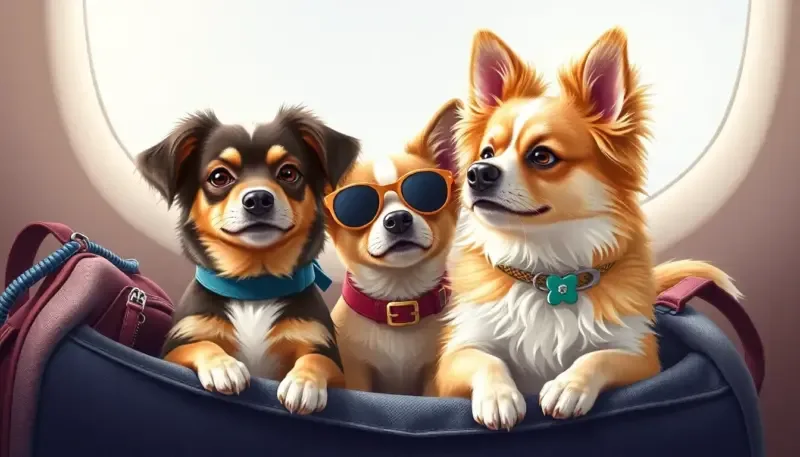
Traveling with a small dog can be a delightful experience, but it also comes with unique challenges that pet owners must navigate. With the rise in pet ownership and the growing trend of taking pets along on trips, understanding how to travel safely and comfortably with your furry friend is essential. Here are some common mistakes to avoid when traveling with a small dog, ensuring a smoother journey for both you and your pup.
Understanding the Basics of Traveling with Your Small Dog
As travel becomes more accessible, many pet owners are eager to include their small dogs in their adventures. According to the American Society for the Prevention of Cruelty to Animals, millions of households have welcomed pets in recent years, leading to a significant increase in pet travel. However, ensuring that your dog is well-prepared for travel can make a substantial difference in their comfort and safety.
Before embarking on any journey, it is crucial to familiarize yourself with the travel regulations that apply to pets. Depending on your destination, different rules may apply, which can affect your travel plans. Understanding these regulations can prevent last-minute surprises and ensure a seamless travel experience.
What is the 7 7 7 Rule for Dogs?
The 7 7 7 rule is a guideline that helps dog owners manage their pet's needs during travel. It consists of three components:
- 7 hours of exercise: Prior to your trip, ensure your dog has had plenty of physical activity. A tired dog is generally a calmer dog.
- 7 minutes of potty breaks: Schedule regular bathroom breaks for your dog during the journey. This helps prevent accidents and maintains your pet's comfort.
- 7 minutes to settle: Allow your dog time to adjust to new environments, whether it’s a hotel room or a new location. This can help reduce anxiety and make them feel more at ease.
Choosing the Right Carrier for Your Dog
One of the most critical aspects of traveling with a small dog is selecting an appropriate carrier. A properly fitted carrier not only provides safety during transit but also serves as a familiar space for your dog.
When choosing a carrier, consider the following:
- Size: Ensure the carrier is spacious enough for your dog to stand, turn around, and lie down comfortably.
- Ventilation: Good airflow is essential to keep your dog cool and comfortable during travel.
- Comfort: Add familiar blankets or toys to help your dog feel secure.
Preparing Your Dog for Travel
Before hitting the road, it's essential to acclimate your dog to their carrier. Start by introducing them to the carrier at home, allowing them to explore it and get comfortable. Gradually increase the time they spend inside it, rewarding them with treats to create positive associations.
Additionally, you should also consider practicing short trips before embarking on longer journeys. This can help your dog get used to the travel experience without overwhelming them.
Managing Your Dog’s Needs During Travel
Once on the road, managing your dog’s needs is vital for a successful trip. Here are some tips to ensure their comfort:
- Regular potty breaks: Schedule frequent stops to allow your dog to relieve themselves.
- Hydration: Keep fresh water available at all times, especially on long journeys.
- Food management: Offer light meals before travel and avoid feeding right before hitting the road to prevent motion sickness.
How to Keep Your Dog Calm During Flights
Flying can be a stressful experience for small dogs. To ease their anxiety, consider these strategies:
- Familiar scents: Bring a blanket or item that smells like home to comfort your dog.
- Calming aids: Consult your veterinarian about safe calming treats or medications if your dog is particularly anxious.
- Frequent checks: Monitor your dog during the flight to ensure they are comfortable and not distressed.
What to Do if an Accident Occurs
Accidents happen, even with the best training. It’s essential to be prepared by having supplies ready, including:
- Poop bags
- Pee pads
- Wipes for cleaning
Being proactive can help you quickly manage any situation without adding stress to your dog or fellow travelers.
Respecting Other Travelers
While many people love dogs, others may not feel comfortable around them. It’s crucial to be considerate of fellow passengers:
- Keep your dog leashed: Always maintain control of your dog in public spaces.
- Stay low-key: Avoid drawing attention to your dog, especially in crowded settings.
- Observe reactions: If someone seems uncomfortable, give them space.
Final Preparations Before Your Trip
As your travel date approaches, double-check that you have all necessary documentation and supplies for your dog. This includes:
- Your dog’s health records
- Microchip information
- Travel tags for identification
Being well-prepared can alleviate stress and help ensure a safe and enjoyable trip for everyone involved.
Traveling with your small dog can be a rewarding experience that strengthens your bond and creates lasting memories. By avoiding these common mistakes and being prepared, you can ensure that your furry companion enjoys the adventure as much as you do.
To gain additional insights on traveling with pets, consider watching .