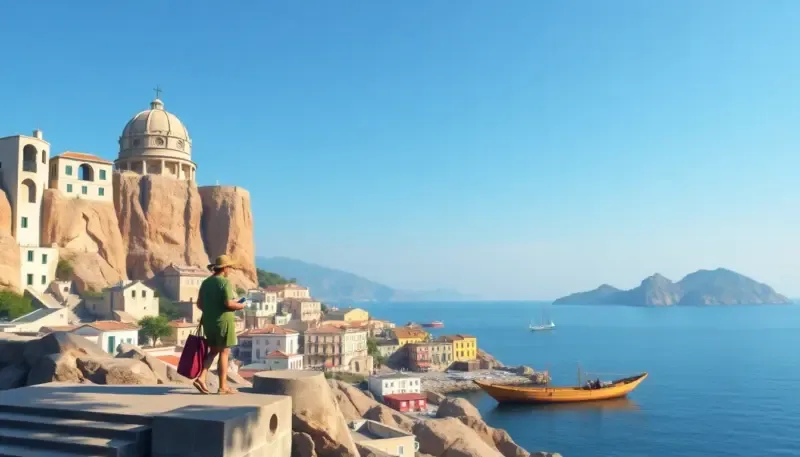
Overtourism has become a pressing issue for many popular destinations around the world, affecting local communities, ecosystems, and the travel experience itself. With the rise of budget airlines and online rental platforms, the surge in travelers has often outpaced the infrastructure designed to accommodate them. How can we tackle this global problem, ensuring both sustainable tourism and the preservation of cherished locales? Let's delve into the complexities of overtourism and explore actionable solutions.
Understanding overtourism: What it is and why it matters
Overtourism refers to the phenomenon where a destination experiences an overwhelming influx of visitors that surpasses its capacity to manage them effectively. This often leads to environmental degradation, cultural dilution, and a diminished quality of life for local residents. Not only does it strain resources, but it can also create a hostile environment for both tourists and locals alike.
Some of the critical factors contributing to overtourism include:
- The increase in affordable travel options, such as budget airlines.
- The rise of home-sharing platforms that attract visitors to residential neighborhoods.
- The influence of social media, which can make lesser-known destinations explode in popularity almost overnight.
As we continue to travel, it is vital to recognize the impact our choices have on the places we visit. Understanding overtourism is the first step in creating a more sustainable travel culture.
Where is overtourism most problematic?
While overtourism can occur anywhere, certain areas are particularly hard hit. Popular cities and natural landmarks often attract large numbers of visitors, leading to significant challenges:
- Venice, Italy: Known for its canals and rich history, Venice has struggled with millions of tourists overwhelming its infrastructure.
- Barcelona, Spain: The city's popularity has led to protests from locals who feel their neighborhoods are being overwhelmed.
- Iceland: Once a hidden gem, the country now grapples with massive tourist numbers, affecting its pristine landscapes.
- Amsterdam, Netherlands: The city's vibrant culture is being overshadowed by the sheer number of visitors, leading to increased complaints from residents.
Effects of overtourism on local communities
The consequences of overtourism extend beyond crowded streets and long lines. Local communities face several significant challenges:
- Rising prices: As demand for accommodation and services increases, so do costs, often beyond what locals can afford.
- Environmental impact: Natural resources can become depleted, and ecosystems may suffer from the pressure of increased foot traffic.
- Cultural erosion: The influx of tourists can lead to a dilution of local traditions and customs, as businesses cater to tourists instead of residents.
Preserving the integrity of local communities is essential for sustainable tourism. A collaborative approach that includes residents in decision-making can help balance tourist needs and local interests.
Innovative solutions to combat overtourism
To address the challenges posed by overtourism, various solutions are being explored. Here are some effective strategies:
- Implement visitor caps: Some destinations, like Dubrovnik and Venice, are considering limits on the number of tourists allowed at any given time.
- Encourage off-season travel: Promoting travel during shoulder seasons can help distribute visitor numbers more evenly throughout the year.
- Develop sustainable tourism programs: Initiatives that focus on eco-friendly practices can help minimize environmental impact while enhancing the visitor experience.
- Promote lesser-known destinations: Encouraging travelers to explore regions outside the typical hotspots can alleviate pressure on popular areas.
How can travelers contribute to solutions?
As individuals, travelers can play a significant role in mitigating the effects of overtourism. Here are some actionable steps to consider:
- Stay in locally-owned accommodations: Opt for guesthouses or homestays instead of large hotels or Airbnb rentals that may not benefit the local economy.
- Choose alternative destinations: Instead of visiting overcrowded cities, consider venturing to nearby towns or natural sites that offer similar experiences without the crowds.
- Travel mindfully: Respect local customs and environments. Be mindful of your impact, whether through waste management, noise levels, or interaction with residents.
- Support local businesses: Dining at local restaurants and shopping at local markets can help keep money within the community.
The role of social media in overtourism
Social media plays a dual role in tourism. On one hand, it inspires wanderlust and promotes amazing destinations. On the other hand, it can lead to overcrowding as hidden gems become mainstream. Responsible sharing can help mitigate this issue:
- Promote responsible travel: Influencers can advocate for sustainable practices and highlight the importance of preserving destinations.
- Share off-the-beaten-path experiences: Instead of only showcasing popular spots, share lesser-known locations that deserve attention.
- Encourage mindful tourism: Use your platform to educate followers about the impacts of overtourism and how they can travel responsibly.
Community-based tourism initiatives
Community-based tourism initiatives can empower local residents, providing them with a stake in the tourism economy. These programs often include:
- Workshops and cultural exchanges: Engage visitors in local traditions, offering them a deeper understanding of the culture.
- Environmental conservation projects: Collaborate on initiatives that protect the local ecosystem while involving tourists in meaningful activities.
- Local guides: Hiring local guides enhances the tourist experience and ensures that the economic benefits of tourism stay within the community.
Conclusion
While overtourism poses significant challenges, it also presents an opportunity for change. By adopting responsible travel practices and supporting initiatives that prioritize sustainability, both travelers and local communities can work together to preserve the beauty and uniqueness of destinations around the world. As we navigate the complexities of travel in the modern age, it is crucial to remember that we are all part of the solution.
To deepen your understanding of overtourism and explore potential solutions, consider watching this insightful video:
By fostering meaningful connections between tourists and residents, we can all contribute to a more sustainable future for travel.