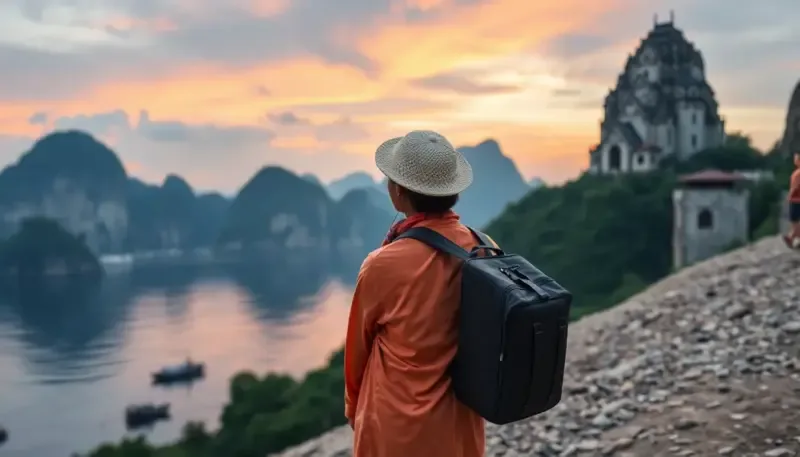
Traveling as an LGBTQ+ individual or couple can be a deeply enriching experience, but it also comes with its own unique set of challenges, especially in regions where cultural attitudes towards sexuality are complex. Asia, with its vast diversity and rich tapestry of cultures, can be both an exciting and daunting destination for LGBTQ+ travelers. This article provides essential tips to navigate the vibrant yet sometimes treacherous landscapes of gay travel across the continent.
Understanding LGBTQ+ Rights in Asia
Asia is a vast continent with a multitude of cultures, languages, and beliefs, resulting in varying degrees of acceptance towards the LGBTQ+ community. While some countries have made significant strides in recognizing and protecting LGBTQ+ rights, others still hold laws that criminalize homosexual acts.
To put things in perspective, out of the 72 countries worldwide that criminalize homosexuality, only 10 are located in Asia (not counting the Middle East and Russia). This means that a significant portion of Asia is open to LGBTQ+ travelers, providing ample opportunity for exploration and cultural exchange.
However, it is vital to conduct thorough research on local laws and societal attitudes. Here are some key points to consider:
- Countries like Thailand and Taiwan are known for their progressive stances on LGBTQ+ rights, with vibrant pride celebrations and legal recognition of same-sex partnerships.
- In contrast, nations such as Malaysia and Indonesia maintain strict laws against homosexuality, influenced heavily by religious beliefs.
- Many places may not have explicit anti-gay laws but still harbor societal attitudes that can be unwelcoming or hostile.
Safe Travel Tips for LGBTQ+ Individuals and Couples
Traveling as an LGBTQ+ individual requires additional precautions. Here are some essential tips to ensure a safe and enjoyable journey:
Research Local Laws
Before setting off on your adventure, familiarize yourself with the laws surrounding LGBTQ+ issues in your destination country. While it is easy to become overly concerned about these laws, understanding their application is crucial.
Some laws may only be enforced against locals, while tourists might be less scrutinized. Nevertheless, it is prudent to exercise caution:
- Avoid public displays of affection (PDA) in conservative areas.
- Seek guidance from local LGBTQ+ organizations if available.
- Stay informed about recent legal changes, as the landscape can shift rapidly.
Understand Cultural Norms
Each country in Asia presents its own unique cultural landscape, which can significantly impact LGBTQ+ travelers. Here are some cultural considerations to keep in mind:
- In some regions, even if homosexuality is legal, it might still be socially taboo.
- Public displays of affection are often frowned upon, regardless of sexual orientation.
- Some LGBTQ+ travelers report being mistaken for siblings or friends due to societal norms.
Fostering mutual respect and understanding can enhance your travel experience significantly. Being aware of local customs helps avoid awkward situations and promotes positive interactions with residents.
Finding LGBTQ+ Friendly Spaces
When traveling, connecting with the local LGBTQ+ scene can provide a sense of community and safety. Here’s how to find these spaces:
Research Local LGBTQ+ Venues
Before you arrive at your destination, take the time to locate local LGBTQ+ bars, clubs, and events. These venues often serve as safe havens for the community. Here are some tips:
- Use online platforms to find local events or gatherings.
- Look for LGBTQ+-friendly hotels and accommodations.
- Consider joining local social media groups to connect with other travelers and locals.
For instance, cities like Bangkok and Kuala Lumpur boast vibrant nightlife, including gay bars and drag shows, which can provide an exhilarating experience for travelers.
Utilize Social Media for Connections
Social media platforms can be powerful tools for connecting with the LGBTQ+ community. Here are some useful approaches:
- Join Facebook groups or forums dedicated to LGBTQ+ travel.
- Follow relevant hashtags on Instagram to discover local LGBTQ+ happenings.
- Use dating apps as social tools to meet like-minded individuals.
This can lead to local friendships and experiences that you might not have discovered otherwise.
Adapting to Different Travel Environments
Each destination will present unique challenges and opportunities for adaptation. Here are some key considerations:
- Be prepared to modify your behavior based on the local environment; this might mean dressing conservatively or adjusting your language.
- Recognize that what is acceptable in your country may not translate well in another culture.
- Practice empathy and patience as you navigate varying attitudes towards LGBTQ+ individuals.
By approaching your travels with openness and flexibility, you’ll be more likely to have a positive experience.
Engaging with Local LGBTQ+ Communities
Connecting with local LGBTQ+ communities can enhance your travel experience. Here are some suggestions for meaningful engagement:
- Attend local pride events or festivals, which can be a great opportunity to meet others.
- Volunteer with local LGBTQ+ organizations, which can provide unique insights into the social fabric of the area.
- Support local LGBTQ+-owned businesses, which helps foster community growth.
These interactions can lead to lifelong friendships and memorable experiences, enriching your journey far beyond the tourist trail.
Conclusion: Embrace the Adventure
Traveling as an LGBTQ+ individual or couple in Asia may seem daunting at first, but it is an opportunity for incredible exploration and personal growth. By approaching your journey with knowledge, respect, and an open heart, you can create lasting memories. The continent offers a rich tapestry of experiences waiting for you to discover, so pack your bags and embrace the adventure!
For a detailed visual guide on navigating gay travel in Asia, check out this informative video: