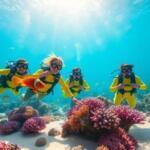
The Great Barrier Reef is one of the most breathtaking natural wonders on the planet, making it a dream destination for divers. Stretching over 1,400 miles along Australia’s east coast, this UNESCO World Heritage Site is not just a feast for the eyes, but also a haven for marine life. Whether you are an experienced diver or a beginner, Diving the Great Barrier Reef promises an adventure of a lifetime.
With its vibrant coral formations and diverse marine species, the Great Barrier Reef offers countless opportunities for exploration. From renowned dive sites to unique safety practices, this guide covers everything you need to know about diving in this spectacular ecosystem.
Best scuba diving spots in the Great Barrier Reef
When it comes to diving, the Great Barrier Reef has no shortage of stunning locations. Some of the best spots include:
- Cod Hole: Famous for its friendly potato cod, this site offers a unique diving experience.
- Osprey Reef: Known for its dramatic walls and diverse marine life, including sharks and rays.
- Ribbon Reefs: A series of reefs with vibrant coral gardens and abundant fish species.
- Agincourt Reef: Offers excellent visibility and the chance to see large pelagic fish.
Each of these locations showcases the breathtaking beauty of the reef and highlights the importance of preserving this unique environment. Choosing the right diving spots can greatly enhance your underwater experience.
Is scuba diving the Great Barrier Reef dangerous?
Diving the Great Barrier Reef is generally safe, but like any adventure sport, it does come with risks. Here are some factors to consider:
Understanding local conditions and potential hazards is crucial. Strong currents can occur, especially during specific tides. Always consult with your diving operator about current conditions.
Another aspect of safety is the marine life. While many creatures are harmless, some can pose risks. Familiarize yourself with the local marine life to avoid dangerous encounters.
Lastly, ensure you are diving with a reputable operator. Safety practices for diving the Great Barrier Reef should include regular equipment checks and adherence to diving guidelines.
Scuba diving Great Barrier Reef for beginners
For those new to diving, the Great Barrier Reef offers excellent opportunities to learn and grow. Many dive operators provide beginner-friendly courses. Here’s what you can expect:
- Introductory dives: These allow beginners to experience diving under the supervision of a professional.
- Courses available: PADI and SSI courses are widely accepted and provide comprehensive training.
- Equipment provided: Most operators include all necessary gear, ensuring a hassle-free experience.
Beginners can explore shallow reefs where marine life is abundant, making it easier to acclimatize to the underwater environment. Diving the Great Barrier Reef for beginners is not only accessible but also incredibly rewarding.
What are the best diving tours on the Great Barrier Reef?
Choosing the right diving tour can significantly enhance your experience. Some of the most popular options include:
- Liveaboard tours: These multi-day trips allow divers to explore remote areas of the reef.
- Day trips: Ideal for those short on time, these tours typically feature two dives at popular sites.
- Eco-friendly tours: Many operators focus on sustainable practices, which is crucial for the reef's preservation.
Each type of tour offers unique benefits, from in-depth exploration to convenience. Researching your options will help you find the best diving tours on the Great Barrier Reef that fit your needs.
Common marine life sightings for the Great Barrier Reef
The Great Barrier Reef is home to an astonishing variety of marine life. Here are some common sightings you can expect:
- Tropical fish: From clownfish to groupers, the reef is teeming with colorful fish.
- Coral formations: Diverse coral species provide habitat for countless marine organisms.
- Large pelagic species: Divers often encounter sharks, rays, and sometimes dolphins during their dives.
- Sea turtles: These gentle creatures are commonly seen swimming gracefully through the reefs.
Each dive presents a unique chance to experience the vibrant ecosystem. Exploring the marine life of the Great Barrier Reef offers an unparalleled connection to nature.
How to book your diving trip to the Great Barrier Reef?
Booking a diving trip to the Great Barrier Reef is straightforward, but here are some tips to ensure a smooth process:
- Research dive operators: Look for those with good reviews and a strong commitment to safety.
- Check availability: Busy seasons may require advanced bookings, especially for popular tours.
- Consider package deals: Many operators offer all-inclusive packages that can save you money.
Additionally, consider the time of year you plan to visit. Weather and water conditions can vary, impacting your diving experience. Make sure to plan ahead to secure the best diving opportunities in the Great Barrier Reef.
What is the ideal age limit for diving at the Great Barrier Reef?
The Great Barrier Reef is accessible to divers of all ages, but there are some guidelines to keep in mind:
Generally, children can start diving from the age of 10 with appropriate supervision and certifications. Most dive schools offer courses tailored for younger divers, ensuring a safe and enjoyable experience.
For older adults, there are no strict age limits, but health considerations should be assessed. Those with pre-existing conditions should consult with a doctor before diving.
Overall, diving can be a lifelong activity, making it a fantastic option for family vacations or bonding experiences at any age.
Related questions about diving the Great Barrier Reef
Frequently asked questions about diving the Great Barrier Reef
Is it worth scuba diving the Great Barrier Reef?
Absolutely! Diving the Great Barrier Reef is a once-in-a-lifetime experience. The diverse marine life and breathtaking coral formations make it a top destination for divers. Many visitors find that the beauty and uniqueness of the reef far exceed their expectations.
Moreover, diving here contributes to awareness about marine conservation. Many operators emphasize eco-friendly practices, allowing divers to appreciate the reef while also protecting it for future generations.
What is the best month to dive the Great Barrier Reef?
The best time to dive the Great Barrier Reef is typically between June and November. During these months, visibility is at its peak, and the water temperature is comfortable for diving. Additionally, this period aligns with the southern hemisphere's winter, making it a great time for marine life sightings, particularly for whale migrations.
While summer months offer warmer water, they may also bring rain and lower visibility. Planning your trip during the peak diving season can enhance your overall experience.
Can beginners dive Great Barrier Reef?
Yes, beginners can dive the Great Barrier Reef! With many dive operators offering introductory courses and supervision, first-time divers can enjoy the beauty of the reef in a safe environment. Operators provide all necessary equipment and guidance, ensuring a memorable experience.
It’s advisable for beginners to choose shallow dive sites where they can become comfortable with their gear and the underwater environment. Learning to dive in such a scenic location makes for an exciting start to any diving journey.
Did they find Tom and Eileen Lonergan?
The tragic story of Tom and Eileen Lonergan, who were lost during a diving trip in the Great Barrier Reef in 1998, has long intrigued many. Despite extensive search efforts, their bodies were never recovered, and their disappearance remains a mystery.
This incident has led to increased awareness regarding safety practices while diving. Ensuring that dive operators maintain strict protocols can help prevent similar occurrences in the future.
For divers, it’s essential to be mindful of safety regulations and to communicate effectively with dive instructors, as this enhances overall safety while exploring the Great Barrier Reef.