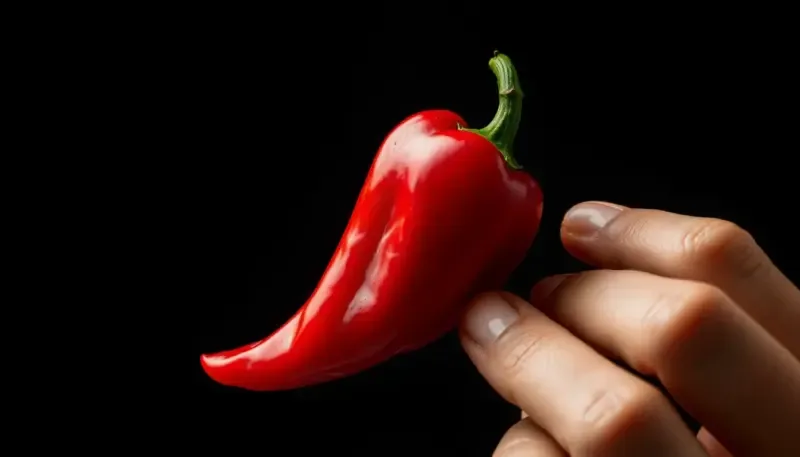
Have you ever wondered what it’s like to confront the world’s hottest pepper? For many, this experience is a test of endurance and a thrilling adventure that can lead to some unforgettable stories. In this article, we’ll dive deep into the fiery world of extreme heat, exploring not just the infamous Ghost Pepper but also its successors, including the notorious Pepper X.
As we embark on this spicy journey, we will uncover the science behind the heat, the experiences of those who dare to taste these fiery fruits, and the potential risks involved. So, buckle up and prepare for a rollercoaster ride through the world of capsaicin!
The quest for the hottest pepper: A personal journey
Not long ago, I found myself in Austin, Texas, attending a vibrant music festival. With over ten days to explore beyond the event, I sought out local recommendations to discover the city through the eyes of its residents. One standout recommendation was a hot sauce shop called Tears of Joy, famously known for selling some of the hottest sauces on the planet.
Despite my aversion to spicy foods, the allure of tasting the Ghost Pepper, known for its intense heat, was too tempting to resist. This pepper, also known as Naga Bhut Jolokia, boasts a Scoville heat rating exceeding one million—making it a formidable contender for those seeking a thrill.
Capsaicin, the compound responsible for the heat in peppers, is measured on the Scoville scale. The higher the capsaicin content, the hotter the pepper. This scale categorizes peppers from mild varieties, such as bell peppers, to the extreme heat of the Ghost Pepper.
Experiencing the heat: What happens when you eat the Ghost Pepper?
On a sunny morning, I walked into the shop and purchased the hottest Ghost Pepper sauce available, alongside pure capsaicin extract, which many people refer to as “death in a bottle.” I was determined to record my experience, expecting a memorable video that would entertain viewers.
Given my limited tolerance for spicy foods, I braced myself for the challenge. The moment I took a bite, my mouth ignited with a flame that was both shocking and exhilarating. It was a surreal experience, unlike anything I had encountered before. The pain and heat quickly escalated, leaving me gasping for relief.
To see the aftermath of my daring endeavor, you can watch the video below:
The recovery process: Surviving the heat
After consuming the Ghost Pepper, it took me hours to recover. I must have downed at least two gallons of milk to soothe the burning sensation engulfing my mouth and throat. This experience served as a unique lesson in resilience, reminding me that sometimes, stepping out of your comfort zone can lead to unexpected growth.
Interestingly, my encounter with the hottest pepper has changed my perspective on spicy foods. Although I still prefer milder options, I now feel more equipped to handle heat, having conquered the challenge of a pure capsaicin extract.
The rise of Pepper X: A new contender in the spicy arena
While the Ghost Pepper has held the title of the hottest pepper for years, a new competitor has emerged: Pepper X. Developed by chili breeder Ed Currie, Pepper X has shattered records with a staggering Scoville rating of over 3 million, making it the hottest pepper in the world. This super-hot pepper is gaining popularity among heat seekers and culinary enthusiasts alike.
Some key facts about Pepper X include:
- Developed by Ed Currie in the United States.
- Contains more than three times the heat level of the Carolina Reaper.
- Known for its unique flavor profile, alongside its extreme heat.
- Used in various hot sauces and culinary experiments.
Health implications: Can eating extremely hot peppers be dangerous?
With great heat comes great responsibility. Consuming extremely spicy peppers like Pepper X can pose health risks for some individuals. While many people enjoy the thrill of spicy foods, those with certain medical conditions or sensitivities should approach these peppers with caution.
Some potential consequences of consuming super-hot peppers include:
- Gastrointestinal distress, including nausea and stomach cramps.
- Shortness of breath or choking, particularly in those unaccustomed to intense heat.
- In severe cases, hospitalization may be required due to dehydration or other complications.
It’s essential to remember that everyone’s tolerance for spice varies significantly. What might be enjoyable for one person could be unbearable for another. Always listen to your body and be mindful of your limits.
The top contenders: A look at the hottest peppers in the world
The world of hot peppers is vast, with numerous varieties vying for the title of the hottest. Below is a list of some of the top contenders, showcasing their unique qualities:
| Pepper Variety | Scoville Heat Units (SHU) | Origin |
|---|---|---|
| Carolina Reaper | 1,641,183 | USA |
| Ghost Pepper (Bhut Jolokia) | 1,041,427 | India |
| Pepper X | 3,180,000+ | USA |
| Trinidad Moruga Scorpion | 1,463,700 | Trinidad and Tobago |
| 7 Pot Douglah | 1,853,936 | Trinidad |
Conclusion: Embracing the heat
Whether you are a seasoned chili enthusiast or someone curious about the world of spicy foods, the experience of tasting the hottest peppers can be both exhilarating and daunting. While it's essential to be mindful of the potential health risks involved, facing the challenge of extreme heat can also lead to personal growth and newfound appreciation for flavor.
So, are you ready to take the plunge and discover just how hot the world's peppers can be? Remember, the journey into the spicy unknown awaits those willing to embrace the heat!