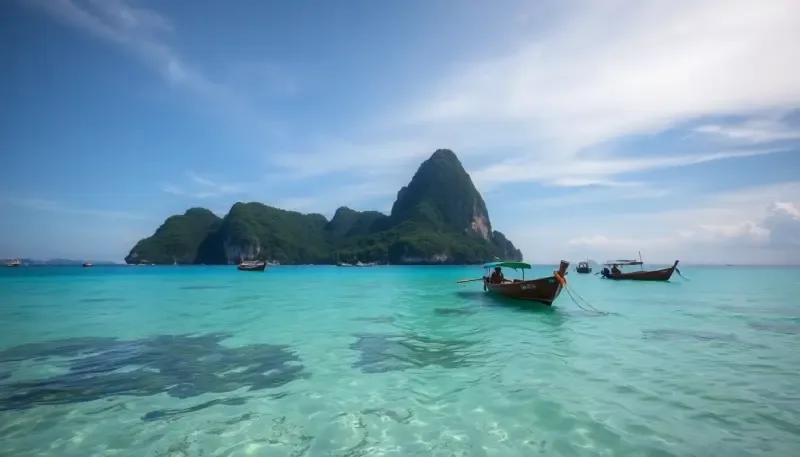
Ko Lipe, once an untouched paradise, has undergone significant transformations over the years, captivating travelers and sparking discussions about sustainable tourism. This article explores the evolution of this stunning Thai island, analyzing its current state, the challenges it faces, and the implications for future visitors.
The Allure of Ko Lipe: A Glimpse into the Past
When I first visited Ko Lipe back in 2006, it was a hidden gem, attracting only the most adventurous souls. The island was characterized by its remote charm, with basic bungalows lining the sandy shores and a laid-back atmosphere that beckoned visitors to unwind. The simplicity of life there was enchanting: spending long days on the beach, snorkeling in crystalline waters, and enjoying fresh seafood from local eateries.
The island offered a unique experience where time seemed to stand still. Days easily transformed into weeks as travelers found themselves lost in the beauty of Ko Lipe. The vibrant sunsets and tranquil surroundings made it easy to forget the outside world.
For many, including myself, Ko Lipe represented the epitome of the backpacker lifestyle—where friendships were forged, local culture was embraced, and every moment felt like a dream. The essence of travel was alive and thriving.
The Transformation of Ko Lipe: Progress or Overdevelopment?
Fast forward nearly two decades, and my recent trip to Ko Lipe revealed a stark contrast to the island I once knew. With the rise of tourism, the island has undergone a dramatic transformation reminiscent of other popular Thai destinations like Ko Phi Phi. While development can sometimes lead to economic growth, the way Ko Lipe has evolved raises concerns about sustainability.
Many areas of the island have been paved over, replacing the picturesque dirt paths with concrete to accommodate an influx of vehicles and construction equipment. The serenity that once defined Ko Lipe has been replaced by a bustling environment, where high-end resorts and commercial establishments dominate the landscape.
As I explored the island, it became evident that this rapid development has come at a cost:
- The local coral reefs are suffering due to pollution, overfishing, and the sheer number of boats in the area.
- Once-vibrant beaches are now cluttered with boats, their exhaust fumes creating an unsightly film on the water.
- Traditional local restaurants have given way to establishments catering to tourists seeking familiar Western cuisine.
- Many locals have been displaced, forced to sell their land to developers, while the workforce is increasingly comprised of individuals from the mainland, diminishing the local culture.
The Impact of Tourism on Local Communities
The consequences of unregulated tourism in Ko Lipe extend far beyond environmental degradation. The community has been significantly affected, with many locals feeling the brunt of development. As the island's charm fades, the essence of what made Ko Lipe special is at risk of disappearing.
While new resorts and attractions may entice visitors, they often do not translate into benefits for the local population. Instead, the profits are frequently siphoned off to mainland developers, leaving the original inhabitants grappling with the negative effects of mass tourism.
Visitors might find the views breathtaking and the beaches beautiful, but they must also consider the impact of their presence. Sustainable tourism practices that prioritize the well-being of local communities are essential for preserving the island's integrity.
Koh Lipe: A Mixed Bag for First-Time Visitors
For those visiting Ko Lipe for the first time, the island still offers stunning scenery and an idyllic backdrop for relaxation. The azure waters, soft sandy beaches, and proximity to a national park make it a visually captivating destination. However, the experience may not be as authentic as it once was.
While many visitors may feel a sense of wonder upon arrival, it's crucial to recognize that the island's allure is intertwined with its challenges. As travelers, we have a responsibility to make informed choices that support sustainable practices:
- Opt for accommodations that prioritize eco-friendly initiatives.
- Support local businesses that contribute to the community.
- Engage in activities that respect the natural environment and local culture.
Exploring Alternatives: Sustainable Island Getaways
With the challenges facing Ko Lipe, travelers seeking a more authentic experience might consider alternative destinations that are less commercialized. Islands like Ko Lanta, Ko Jum, and Ko Mook offer breathtaking beauty while maintaining a stronger connection to local culture and sustainable practices.
These islands provide opportunities for exploration without the overwhelming crowds, ensuring that visitors can enjoy the beauty of Thailand while supporting local communities and preserving natural resources.
Choosing Responsible Tourism: The Role of Travelers
As travelers, we hold the power to influence the future of destinations like Ko Lipe. By making conscious choices, we can help mitigate the negative impacts of tourism and promote sustainable practices that benefit both the environment and local communities.
Here are some ways you can contribute to responsible tourism:
- Research your destination to understand its challenges and opportunities.
- Travel during off-peak seasons to reduce overcrowding.
- Participate in volunteer programs that support conservation efforts.
Conclusion: The Road Ahead for Ko Lipe
The future of Ko Lipe hangs in the balance. While it still possesses undeniable beauty, the rapid pace of development poses significant risks to its environment and local culture. By choosing to be mindful travelers, we can help preserve the integrity of this once-idyllic destination for future generations.
Ultimately, the choices we make as travelers can have far-reaching consequences. As we venture out into the world, let us be stewards of the places we visit, ensuring that we leave them better than we found them.
For those considering a visit to Ko Lipe, it may be worth reflecting on the impact of tourism and exploring the many alternatives that celebrate Thailand's natural beauty and rich culture without compromising its integrity.
In the words of a traveler: "Your choices do have an impact." Let's make sure they are positive ones.