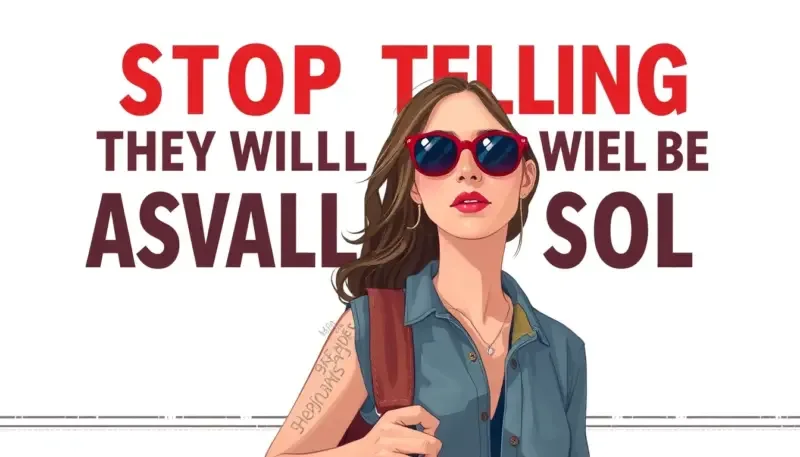
In a world increasingly connected through travel, the notion of solo female travel continues to spark intense debate. While many women are empowered to explore the globe independently, societal pressures and warnings about safety still loom large. Understanding the dynamics of these fears and the underlying motives is essential for fostering a culture that supports women's autonomy in travel.
This article delves into the cultural stigma surrounding solo female travel, the real risks involved, and how to encourage a more supportive environment for women eager to embark on their own adventures.
Understanding the stigma surrounding solo female travel
Solo female travelers often face a unique set of challenges and societal expectations. Many women report receiving warnings that traveling alone is dangerous, often accompanied by comments that suggest they will be victims of violence or assault. This cultural narrative places undue emphasis on fear rather than empowerment.
According to research, a significant number of women have been cautioned against traveling alone, with studies indicating that approximately 69% of female respondents reported being told they would become victims of violence if they traveled solo. In contrast, only 6.6% of male respondents faced similar warnings.
This disparate treatment raises important questions about societal perceptions of women and their autonomy. Why do women receive these warnings more frequently than men? The answer may lie in deep-seated cultural norms that prioritize traditional gender roles and discourage female independence.
The reality of travel safety for women
While it is crucial to acknowledge that safety concerns exist, it is equally important to contextualize these fears within the realities of travel. Research shows that most violence against women is perpetrated by individuals they know, rather than strangers. For instance, statistics indicate that only 16% of violent assaults against women are committed by strangers in Canada, and the figure is around 22% in the United States.
When examining travel-specific data, it becomes evident that the likelihood of encountering sexual violence abroad is often overstated. The World Health Organization reports that many cases of violence occur within familiar contexts rather than targeting tourists.
- In a survey of solo female travelers, many expressed feeling safer abroad than at home.
- Common concerns about theft, such as losing passports, often overshadow fears of assault.
- Reports indicate that governmental assistance for sexual assault victims abroad is relatively low compared to overall consular assistance cases.
Why the fear persists: Cultural narratives and media portrayal
The media plays an influential role in shaping public perceptions about solo female travelers. Incidents involving women who face violence while traveling often receive extensive coverage, with narratives that can imply blame on the victim. This contrasts sharply with the portrayal of male travelers, who are often celebrated as adventurers.
Such disparities in reporting can contribute to a culture of fear. When stories of solo female travelers who encounter violence make headlines, they perpetuate a cycle of caution and anxiety that discourages women from pursuing their travel ambitions.
Furthermore, the notion that a woman should not travel alone stems from a broader societal discomfort with women challenging traditional roles. This fear of change often prompts even well-meaning friends and family to voice concerns about a woman's safety, even if they have not themselves traveled alone.
Empowering women to travel solo
To counteract the stigma surrounding solo female travel, it's vital to foster an environment that encourages women to embrace their independence. Here are some ways to do this:
- Share positive stories: Highlight successful and empowering solo travel experiences to inspire others.
- Encourage skills development: Offer workshops or resources that equip women with the skills needed for safe travel.
- Build supportive communities: Create networks of female travelers who can share tips, experiences, and advice.
Understanding the psychological impact of fear
The pervasive warnings about sexual violence can have significant psychological effects on women, influencing their self-esteem and sense of agency. Even women who have not experienced trauma may internalize the fear, leading to feelings of vulnerability and mistrust.
Studies have demonstrated that the mere threat of violence can alter women's behavior and reinforce traditional gender roles. This psychological burden can inhibit a woman's desire to explore the world, stifling her independence and confidence.
Addressing these psychological impacts requires a collective effort to dismantle harmful narratives and empower women. It is essential to validate the concerns that women have while also providing them with the tools to navigate their travels confidently.
Creating a safer travel environment
While the responsibility for creating safer travel environments should not fall solely on women, there are steps that they—and society at large—can take to promote safety and security for all travelers:
- Educate about local customs: Understanding the cultural context of destinations can help mitigate risks associated with misunderstandings or unintentional offenses.
- Advocate for better reporting practices: Encourage transparency in reporting sexual assaults abroad to provide clearer data and understanding of risks.
- Support organizations focused on traveler safety: Collaborate with NGOs that work to ensure the safety of all travelers, particularly women.
Conclusion: The importance of autonomy in travel
It is crucial to recognize that the fears surrounding solo female travel often originate from deeply ingrained societal norms rather than factual data. By fostering an environment that celebrates female autonomy and encourages independence, we can empower women to explore the world on their own terms. Travel can be a transformative experience that builds confidence and self-reliance, and every woman deserves the opportunity to embark on her journey.
As we move toward a more equitable society, it’s essential to support women in their desire to travel solo, encouraging them to challenge stereotypes and redefine what it means to be a woman in the modern world.