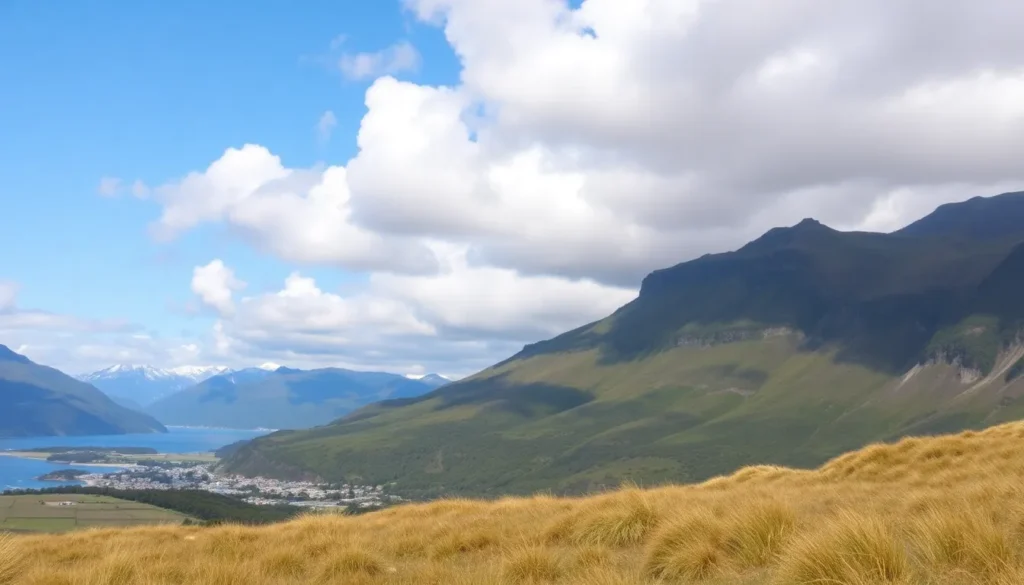
Every country carries a rich tapestry of history, and New Zealand is no exception. From the mythical origins of its first inhabitants to the profound impact of European colonization, the story of this island nation is a captivating blend of tradition and modernity. Its unique cultural identity is shaped by a deep connection to the land and a quest for harmony between its indigenous and settler populations. Join us as we delve into the fascinating history of New Zealand, revealing the events and influences that have crafted its contemporary landscape.
Are you ready to journey back in time? Let’s dive into New Zealand’s past together!
The first inhabitants: the Māori
The origins of New Zealand's first inhabitants, the Māori, remain shrouded in mystery. However, it is believed that they arrived between 800 and 1200 AD from the legendary island of Hawaiki, a place whose exact location is still debated among scholars. This migratory journey marked the beginning of a rich cultural heritage in a land they named Aotearoa, meaning "land of the long white cloud."
The Māori developed a unique culture characterized by a profound spiritual connection to nature, rich oral traditions, and complex social structures. They thrived in isolation, cultivating their customs and beliefs, which included intricate art forms, dance, and storytelling. However, this period of peace was often disrupted by internal conflicts, with tribal wars being common among different Māori groups. Their history is not just one of tranquility but also of resilience and strength.
As we explore more about the Māori people, you can read further on their history and traditions that continue to influence New Zealand today.
The encounter with Europeans
The first European to reach New Zealand was the Dutch explorer Abel Tasman in 1642. Interestingly, he never set foot on the islands due to a violent encounter with Māori locals. Despite this, his name remains prominent in New Zealand's history, influencing the naming of places like Tasmania and even a national park.
Subsequent Dutch cartographers named the region Nieuw Zeeland, inspired by a province in Holland. There's an interesting debate about whether Spanish explorer Juan Fernández might have reached New Zealand even earlier, in 1576, but no definitive evidence has been found to support this claim.
It was Captain James Cook who truly established a British presence in New Zealand after he arrived in 1769, claiming the land for the British Crown. Initially, British settlers, including sealers and whalers, arrived along with missionaries around 1810, fostering early trade relationships with the Māori. In exchange for land, they offered goods such as pigs, potatoes, writing materials, and even horses, which were entirely foreign to the Māori.
By the time settlers began to establish permanent homes, they were not only adapting to a new land but also laying the groundwork for a complex relationship with the Māori that would evolve dramatically in the years to follow.
Internal conflicts and the Treaty of Waitangi
As interactions between Māori and Europeans grew, tensions also escalated, particularly among different Māori tribes. The introduction of firearms, facilitated by trade with Europeans, led to the Musket Wars between 1820 and 1835, which had devastating effects on Māori populations.
The British Crown recognized the need for a formal agreement to ensure coexistence and stability. In 1840, the Treaty of Waitangi was signed between the British Crown and Māori chiefs on the North Island. This treaty aimed to establish governance and protect Māori land rights while facilitating British colonization.
However, discrepancies between the English and Māori versions of the treaty led to significant misunderstandings. The Māori believed they were ceding sovereignty in exchange for protection, while the English interpreted it as a transfer of ownership. This misunderstanding sowed the seeds for future conflicts, as many Māori felt deceived by the treaty's terms.
The New Zealand Land Wars
In 1845, the tensions culminated in a series of violent conflicts known as the New Zealand Land Wars, which persisted into the late 19th century. These wars saw British forces clashing with Māori, who sought to defend their lands and rights. The British, armed with superior weaponry, often emerged victorious, further diminishing Māori land holdings.
The aftermath of these wars led to a massive influx of European settlers, driven by discoveries of gold in regions like Otago, vastly increasing their population from around 2,000 to nearly half a million in just a few years. In stark contrast, the Māori population plummeted due to warfare and introduced diseases, dwindling from approximately 120,000 to just 44,000 by the end of the 1800s.
Towards peaceful coexistence: late 1800s and early 1900s
After a period of strife, New Zealand entered a phase of relative calm. The late 19th century saw the country emerge as a progressive social experiment. In 1893, New Zealand became the first self-governing country to grant women the right to vote, a groundbreaking step for gender equality.
Additionally, the introduction of free and compulsory education and pensions showcased the nation's commitment to social welfare. While the gold rush faded, the completion of the first shipment of frozen meat to Britain in 1882 marked the beginning of a prosperous export industry.
During the two World Wars, New Zealand participated actively, forming the ANZAC forces alongside Australia. The sacrifices made by New Zealand soldiers are commemorated throughout the country, underscoring a deep sense of national pride.
In 1907, New Zealand declared itself a dominion within the British Empire, and in 1947, it became a member of the Commonwealth. This was a significant step toward establishing its identity as an independent nation.
The fate of the Māori
The repercussions of the Treaty of Waitangi haunted Māori communities for decades. However, progress began in 1975 with the establishment of the Waitangi Tribunal, which allows Māori to seek redress for historical grievances. This tribunal offers various forms of resolution:
- Recognition of harm and public apologies from the Crown.
- Financial compensation for injustices.
- Rectification of issues regarding sacred land or restoring Māori names to places.
Today, Māori comprise approximately 15% of New Zealand's population. While they have not experienced the same level of marginalization as the Aboriginal people in Australia, many Māori still feel underrepresented in society. However, there has been a strong resurgence of Māori culture since the mid-20th century, with greater visibility and respect for their traditions, language, and practices.
New Zealand today
In contemporary times, New Zealand is regarded as one of the world's most desirable places to live, known for its high quality of life and low levels of corruption. The current Prime Minister, Jacinda Ardern, who took office in August 2017, is recognized for her progressive leadership, particularly regarding climate change and social justice. At just 37 years old, she was one of the youngest leaders globally.
During the COVID-19 pandemic, Ardern implemented swift and decisive measures, including a 20% salary reduction for herself to demonstrate solidarity with those affected economically. Her government has also made notable strides in ensuring Māori representation in leadership, as exemplified by Nanaia Mahuta, the first Māori woman to serve as Foreign Minister.
This journey through New Zealand's history reveals a nation that, despite its youth, possesses a rich and intricate narrative. From its indigenous roots to its current status as a progressive society, New Zealand continues to navigate the complexities of identity, culture, and community.
For travelers and history enthusiasts alike, understanding New Zealand's past enriches the experience of visiting this extraordinary land. Whether you're drawn in by its breathtaking landscapes or its cultural depth, New Zealand invites you to explore and discover its unique story.